
Markham on Energy
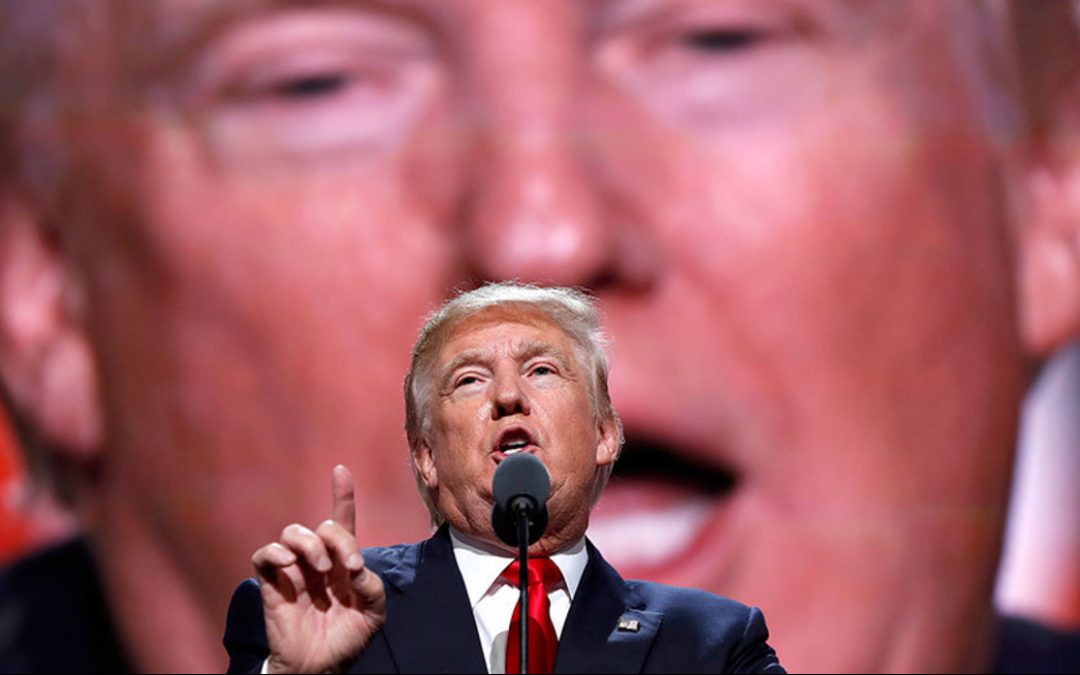
Dear Americans: your president is a grifting crook. Send him a message on Nov. 3
American scholars identify kleptocracy, ungoverning and unchecked executive power as a framework for understanding Donald Trump’s administration before the 2026 midterms.
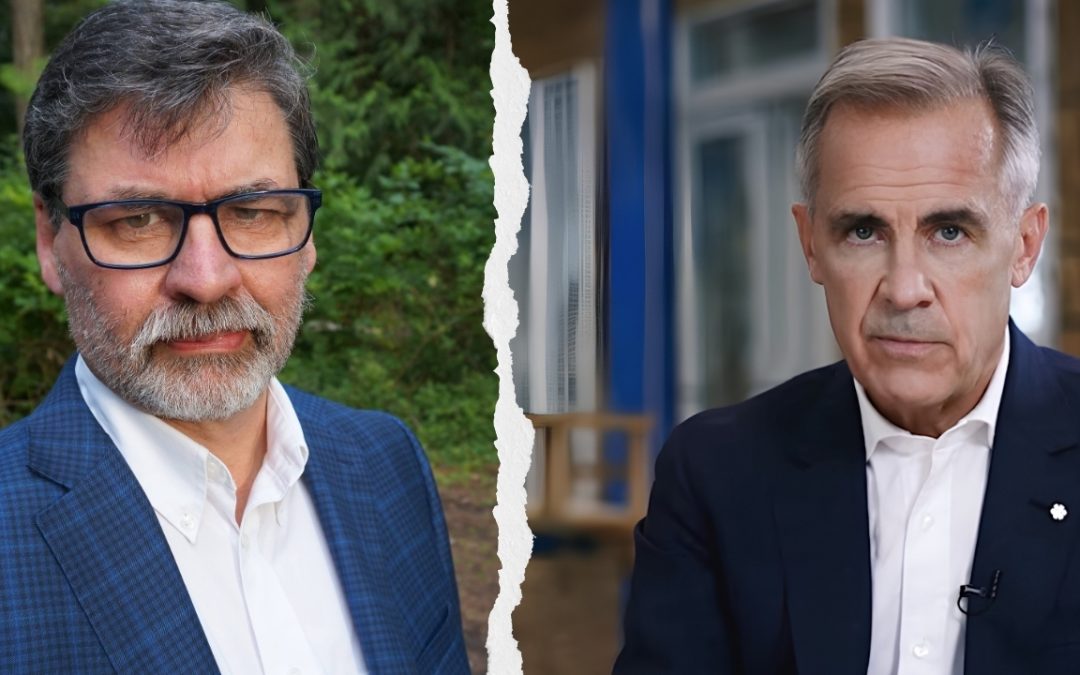
A Challenge to Carney: Come on Energi Media and Let’s Talk Energy Policy
Prime Minister Mark Carney should come on Energi Media and explain the math behind his energy policies. From pipelines to electrification, Canadians deserve a conversation that tests the data, challenges assumptions and goes beyond Ottawa’s political narratives.

Energi.Media Substack
Ottawa Invests $193 Million in Quebec Aluminum Upgrades
Ottawa’s $193 million investment shows how clean e...
Europe Is Buying Canadian LNG. But Where Will the Gas End Up?
Watch now (29 mins) | Seb Kennedy explains why Pac...
Canada and Europe Need Results From This Week’s Summit in Montreal
Watch now (20 mins) | Professor Patrick Leblond ex...
What Canada Can Learn From China’s Rooftop Solar Boom
Watch now (23 mins) | Anders Hove explains how bun...

Latest News
Ontario and Quebec Have Legitimate Grievances, Not Alberta
To make matters worse, Donald Trump is trying to “de-industrialize” Eastern Canada by brute-forcing factories...
Big Reactors in Saskatchewan: What could go wrong?
By Mark Winfield and Susan O’Donnell The Saskatchewan government’s recent announcement of its intention to build two large...
China Is Showing Us How Oil Demand Dies
Energi Media journalism in video, audio, and essays YouTube Channel: Video energy news Substack Essays: Thoughtful Energy...
A Pipeline to Nowhere: Carney’s Dangerous Political Game
A viable project or a costly political fantasy? Guest Column Amy Janzwood is an Assistant Professor in the Department of...

Energi.Media YouTube
Featured News Post
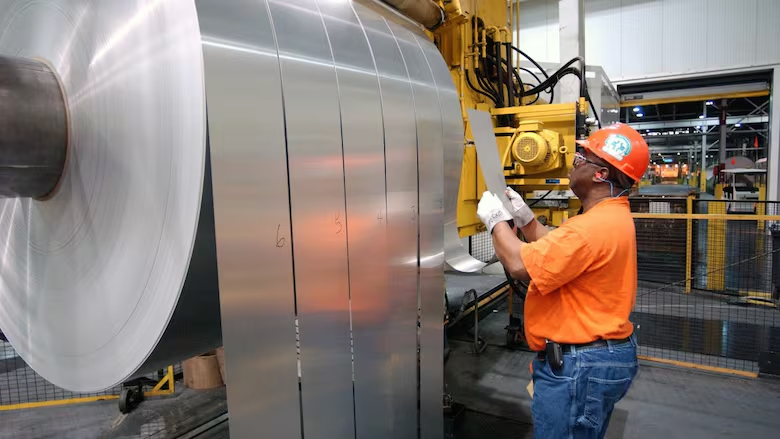
Ottawa Invests $193 Million in Quebec Aluminum Upgrades
Ottawa is putting $193.3 million into Quebec aluminum operations as it seeks to protect industrial jobs, improve energy efficiency and strengthen a processing industry...

Podcasts

coming soon
Geopolitical analyst Jack Cunningham joins Energi Media to discuss intensified Houthi attacks on Saudi Arabia,
Donald Trump’s options in the confrontation with Iran, and why a lasting settlement may be difficult. He also examines Trump’s discussion of Russian diesel and the implications for Ukraine. Could instability abroad make Canadian oil and LNG exports more appealing to Asian customers? Cunningham sees a possible medium-term opening, but warns that project delays and the global shift away from fossil fuels complicate the bet.
A conversation about security, affordability and Canada’s energy future.