
But the supply-side momentum contrasts sharply with what households are experiencing on the ground. In the United States, residential electricity use climbed 2.7 per cent in 2024 while colder-than-normal winter weather pushed natural-gas consumption higher in early 2025, adding to household costs. Earlier EIA projections showed U.S. households with natural-gas heating were already facing a 28 per cent jump in winter heating expenses. Utility delinquencies have also increased as more Americans struggle to keep up with monthly bills.
According to the IEEFA, “Higher natural-gas prices in 2025 and 2026 are the result of strong export growth that persistently outpaces U.S. natural-gas production.”
“In other words, the high demand for gas exports is also pushing up the price of the gas that supplies 40 per cent of U.S. electricity.”
Canadian households face similar pressures even though continental gas supply remains abundant. Natural-gas-heated homes are paying more due to rising distribution charges, carbon-pricing layers and infrastructure costs. Electricity bills continue to creep upward as provinces invest in grid upgrades and clean-power mandates. Wholesale gas prices remain low thanks to strong U.S. supply, but that advantage has not translated into lower retail bills — highlighting a widening disconnect between commodity markets and household energy affordability.
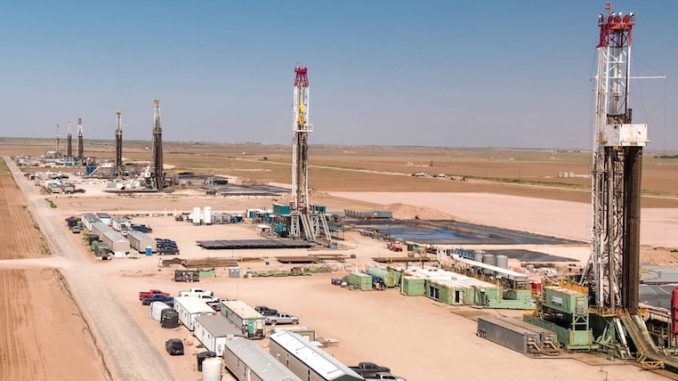
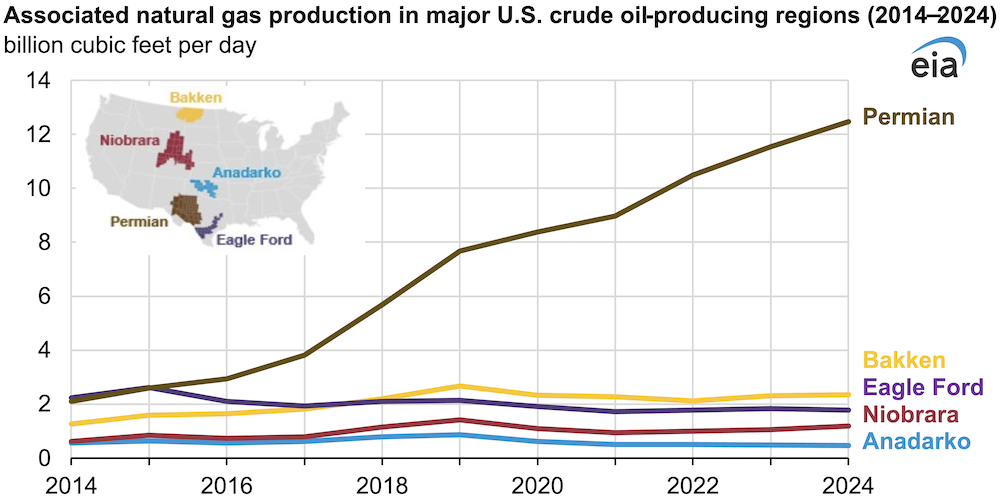
The surge in U.S. associated-gas output underlines North America’s strong supply position, yet rising household bills on both sides of the border show how weather, regulation, rate structures and transition-driven investments are reshaping end-use costs. For Canada, the challenge is stark: advancing climate policy while ensuring the energy transition remains economically sustainable for consumers.
Be the first to comment