
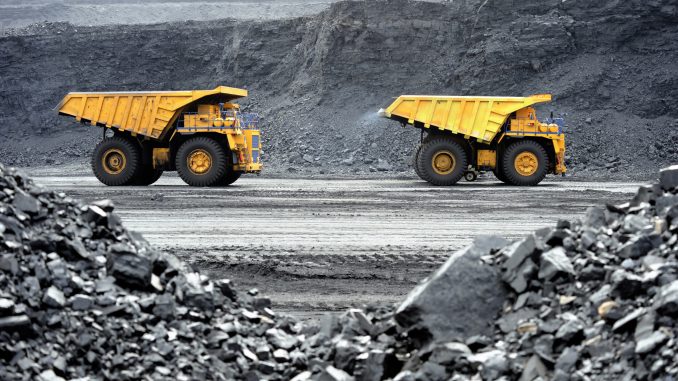
Meeting global demand for energy products continues to require the extraction of vast quantities of raw materials, with coal, oil and critical minerals accounting for the bulk of material moved each year, according to new analysis from the International Energy Agency (IEA). The findings, published in the World Energy Outlook 2025, highlight the scale of the physical footprint of today’s energy system and the significant amounts of waste generated in producing fuels and energy technologies.
The IEA estimates that more than 115 billion tonnes of raw materials linked to fossil fuel production and critical mineral supply were extracted worldwide in 2024. Coal mining accounted for more than half of the total, reflecting the material-intensive nature of coal extraction and its continued role in the global energy mix.
However, the agency’s analysis shows that only a fraction of the material extracted ultimately becomes usable energy products. Of the more than 115 billion tonnes removed from the ground last year, approximately 17 billion tonnes ended up as fuels or refined materials used in the energy system. The remainder consisted largely of rock, water, mud and other residues generated during extraction and processing.
Coal production remains the largest driver of material extraction in the energy system. The IEA estimates that for every tonne of coal produced, around seven tonnes of material—primarily rock and water—are excavated. This high ratio reflects the scale of overburden removal and waste handling required in surface and underground coal mining.
Oil production is also material-intensive. Producing one tonne of oil typically involves extracting nearly six tonnes of water and other byproducts, including drilling fluids and associated waste. These figures underscore the physical demands of conventional oil extraction, as well as the environmental management challenges associated with produced water and waste streams.
By comparison, natural gas extraction generally requires significantly less material movement. According to the IEA, less than one tonne of water and drilling waste is typically extracted for each tonne of natural gas produced. The lower material footprint partly explains why gas has often been viewed as less resource-intensive than other fossil fuels, although it still carries climate and environmental impacts.
While fossil fuels dominate total material extraction, the IEA analysis draws attention to the disproportionate material footprint of critical minerals used in clean energy technologies. Minerals such as lithium, nickel, cobalt and copper are essential for electric vehicles, power grids, wind turbines and solar panels, but their extraction involves large volumes of waste relative to the amount of usable material produced.
On average, producing one tonne of usable critical minerals requires digging up and processing more than 100 tonnes of material, according to the report. This reflects low ore grades, complex geology and the extensive processing required to separate valuable minerals from surrounding rock.
Despite their high waste-to-product ratios, critical minerals currently represent a relatively small share of total material extraction compared with coal and oil. However, their importance is expected to grow as energy systems electrify and expand renewable generation.
The IEA’s World Energy Outlook 2025 explores several scenarios for the future of the global energy system, including pathways that align with existing government policies and more ambitious trajectories aimed at limiting global warming.
Across all scenarios, the agency finds that raw material extraction for energy products declines by mid-century, driven largely by reductions in coal mining. As coal use falls in power generation and industry, the associated material footprint declines substantially, outweighing increases linked to critical minerals.
The reduction in material extraction is most pronounced in the scenario where the world achieves net-zero emissions from the energy sector by 2050. In that pathway, steep declines in coal demand are combined with reduced oil consumption and improvements in efficiency, recycling and material use across the energy system.
Although demand for critical minerals rises significantly in net-zero scenarios, the IEA notes that the overall material footprint still falls because fossil fuel extraction—particularly coal—accounts for such a large share of today’s material flows.
Be the first to comment