

This article was published by the US Energy Information Administration on July 23, 2024.
By Victoria Zaretskaya
Consumption of natural gas in Europe consistently decreased since mid-2022, driven by a combination of mild winter weather and government policies aimed at reducing natural gas consumption. In 2023, natural gas consumption in the European Union’s 27 member countries (EU-27) declined 18 per cent from the previous five-year (2017–21) average according to Eurostat data. During the first five months of 2024 (January–May), consumption remained 19 per cent below the 2017–21 average for the same months.
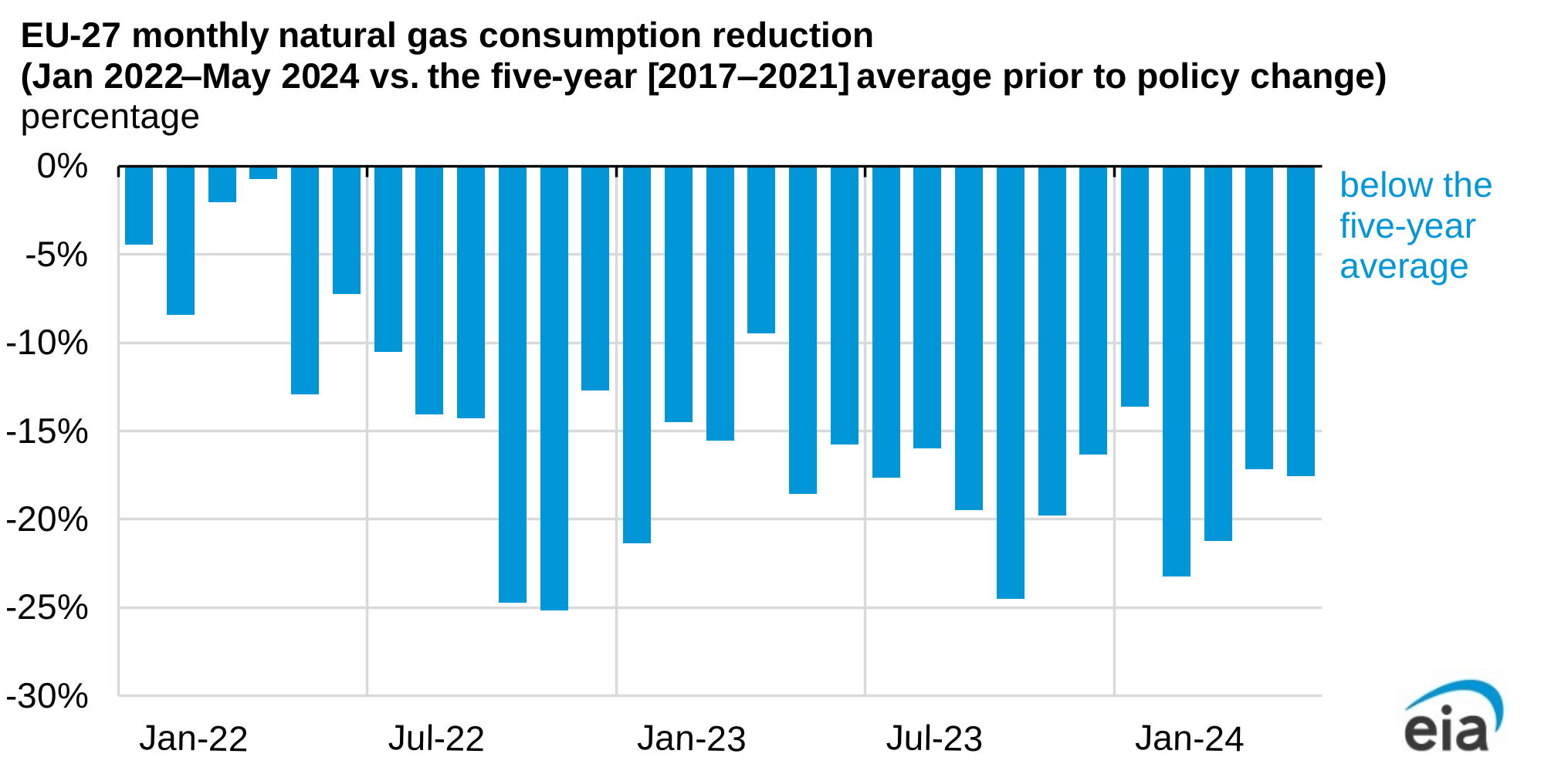
In 2022, after a significant decline of pipeline imports from Russia, European governments enacted coordinated demand-reduction measures. Those measures mandated a minimum 15 per cent reduction in natural gas consumption from August 2022 to March 2023. These policies were subsequently extended through March 2025.
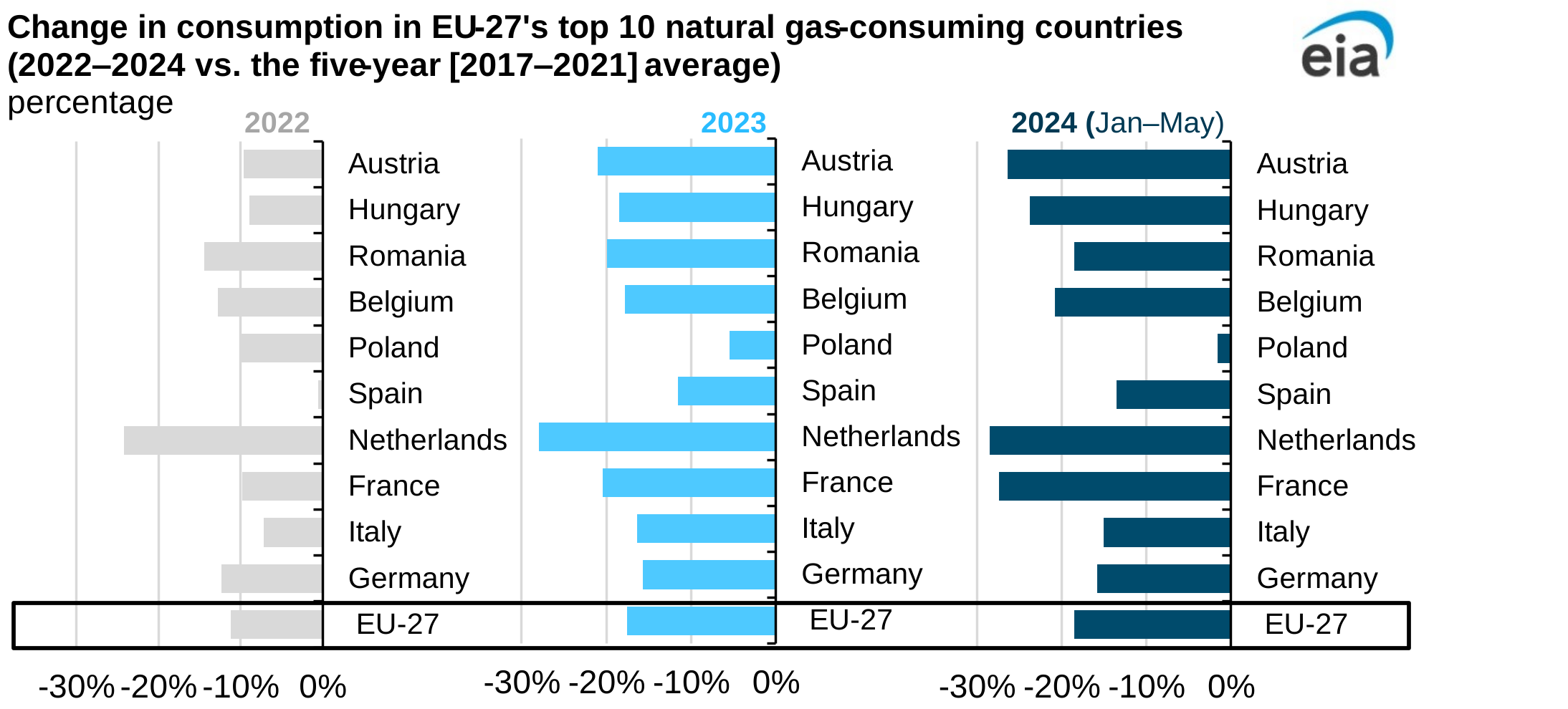
The EU-27’s four countries with the most natural gas consumption—Germany, Italy, France, and the Netherlands—account for about two-thirds of the consumption in the region. Natural gas consumption was reduced in these countries by a combined 5 billion cubic feet per day (Bcf/d) in 2023 and 6 Bcf/d during the first five-months of this year compared with the five-year (2017–21) average prior to the government policies. Natural gas consumption declined in most EU-27 countries. Since enactment of the policy, the top 10 natural gas-consuming countries have seen consumption reduced in a range from 1 per cent to 28 per cent.
Two mild winters in a row (2022–23 and 2023–24) combined with reduced natural gas consumption due to European government policies and more electric generation from renewable sources led to record-high end-of-heating-season storage inventories in both 2023 and 2024. As of April 1, 2024, natural gas storage facilities in Europe were 59 per cent full—the highest percentage on record for the end of a heating season (November 1 through March 31)—according to data from Gas Infrastructure Europe’s Aggregated Gas Storage Inventory (AGSI+).
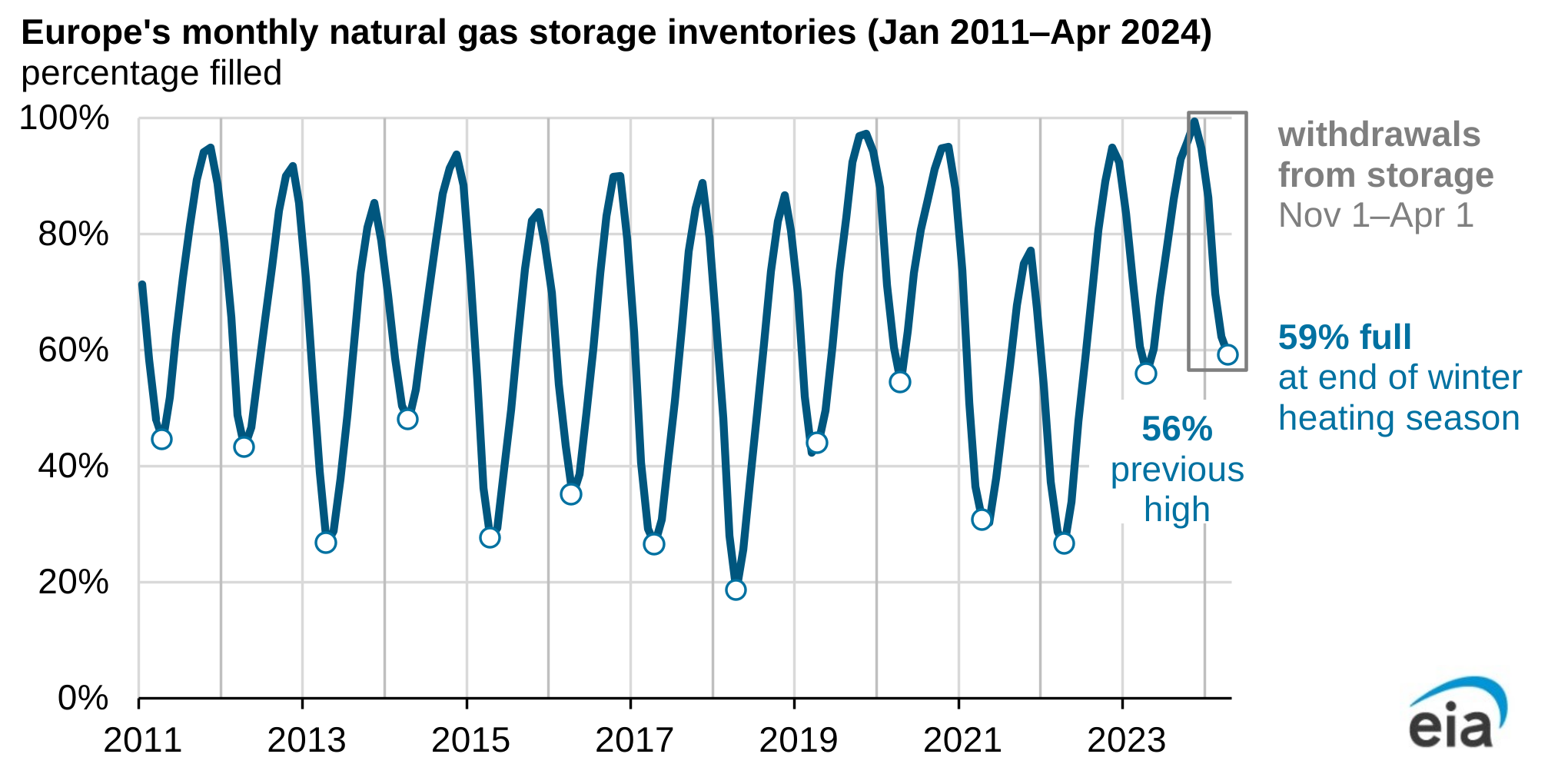
Note: Percentages calculated by AGSI+. Figures shown are for the first day of each month.
On March 31, 2024—the last day of the heating season—Europe’s natural gas storage levels were 83 per cent above the previous 13-year (2011–23) average for the same day. From January through June 2024, Europe’s storage inventories remained at all-time highs, closely tracking last year’s storage levels.
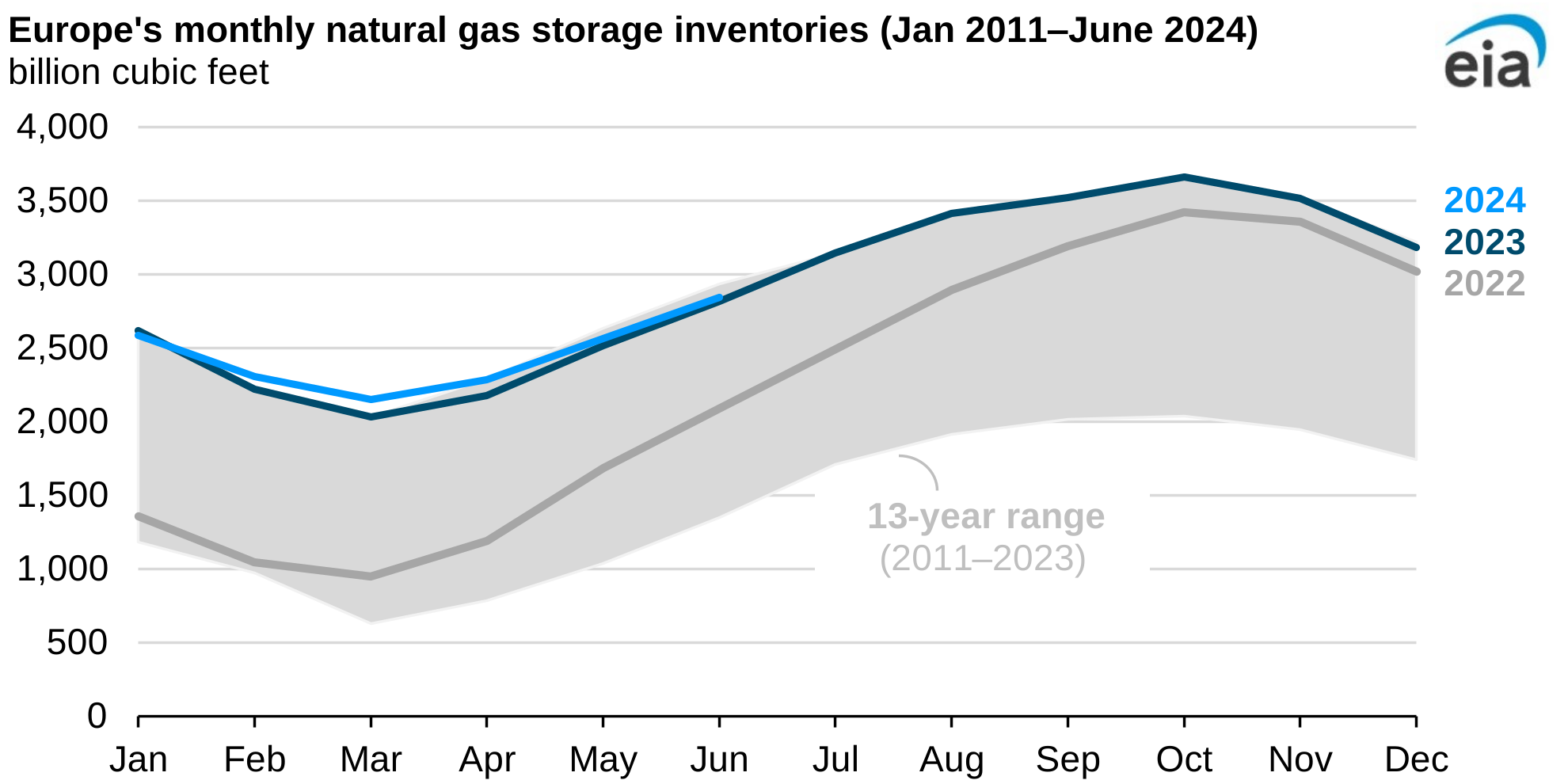
Note: Figures shown are for the last day of each month. Storage inventory levels are converted from terawatthours to billion cubic feet using a conversion factor of 3,602 kilowatthours per cubic foot.
Europe’s natural gas pipeline receipts from Russia declined by 58 per cent (6.3 Bcf/d) in 2022 and 89 per cent (9.7 Bcf/d) in 2023, compared with the 2021 annual average. Europe has primarily used liquefied natural gas (LNG) imports to offset reduced imports from Russia. In 2023, LNG imports into EU-27 and the UK averaged 14.5 Bcf/d, remaining essentially unchanged from 2022, according to data by the International Group of Liquefied Natural Gas Importers (GIIGNL). The United States remained the largest LNG supplier to Europe for the third consecutive year in 2023, providing almost one-half of all its LNG imports. LNG import facilities were added in Germany in 2023, and Germany accounted for 5 per cent of all EU-27 and UK imports. Most—83 per cent—of 2023 LNG imports into Germany were supplied by the United States.

Be the first to comment