
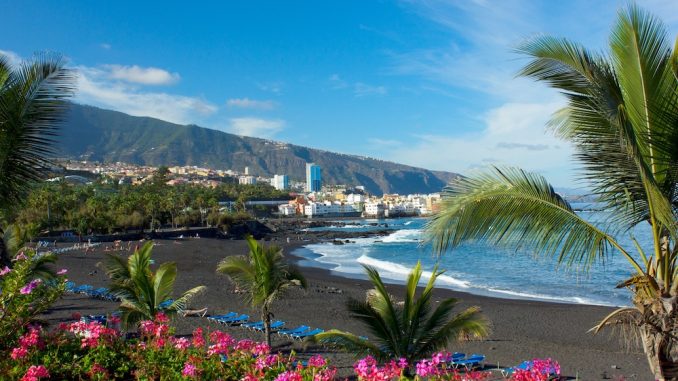
Tenerife in the Canary Islands is set to begin geothermal surveys in January 2026 as part of a broader strategy to reduce reliance on fossil fuels and boost energy security, according to local officials. The initiative, backed by nearly €35 million in the regional renewable energy budget, could transform the island’s energy landscape if commercially viable geothermal resources are found, says Innovation Councillor Juan José Martínez.
“If the surveys to find geothermal sources are successful, we will radically change the energy paradigm of Tenerife,” Martínez said, pointing to geothermal’s potential to deliver continuous, weather-independent power.
Tenerife’s move comes amid growing global recognition of geothermal energy’s role in clean energy transitions. According to the International Energy Agency (IEA), geothermal generation can provide steady baseload electricity, helping to balance the variability of wind and solar power that increasingly dominate renewable portfolios worldwide. The IEA’s World Energy Outlook and technology briefs have underscored that geothermal’s firm output is a key advantage in grids with high shares of intermittent renewables.
Geothermal: a reliable complement to variable renewables
Unlike solar and wind, geothermal energy is available 24 hours a day and is not subject to weather fluctuations, a feature analysts say is particularly valuable for island grids with limited interconnections. Tenerife officials emphasize that baseload geothermal power could enable the island to integrate more renewable energy while reducing costly fossil-fuel backups.
“The ability to provide consistent capacity is what makes geothermal attractive,” said a renewable energy analyst based in Europe. “It’s one reason why islands and isolated grids are serious about it.”
A 2024 Reuters analysis of global energy strategies noted that several regions with volcanic geology — including parts of East Africa, Iceland and Japan — are advancing geothermal projects as part of efforts to cut carbon emissions and strengthen energy independence. That report highlighted both the promise and challenges of geothermal, noting that high upfront costs and drilling risks remain barriers in many markets.
Local and global industry context
Canadian geothermal developer Eavor Technologies — known for its “closed-loop” technology that conducts heat from rock formations rather than hot water reservoirs — has been expanding its footprint in Europe. Eavor and similar firms are gaining attention as utilities and governments look for dispatchable clean power solutions. Eavor’s project in Germany, for example, are being watched as test cases for scalable geothermal deployment outside traditional hydrothermal regions.
Climate and energy finance analysts also see geothermal as under-leveraged. A 2025 report from the Institute for Energy Economics and Financial Analysis (IEEFA) argued that geothermal, along with other firm-power technologies, should play a larger role in decarbonisation strategies. The IEEFA warned, however, that without supportive policy frameworks and risk-reducing incentives, geothermal investment could lag behind its potential.
Economic and environmental implications for Tenerife
For Tenerife, an island heavily dependent on imported fossil fuels, the economic stakes are significant. Geothermal energy could help lower electricity costs over the long-term and insulate the local economy from volatile global fuel prices. Officials also point to the relatively small land footprint of geothermal plants compared with large solar or wind farms, a factor that can ease conflicts over land use on densely populated islands.
Experts note that while the initial surveys are crucial, successful development will require further drilling, permitting and substantial capital investment. Even then, geothermal projects typically take longer to bring online than wind or solar.
Canary Islands aim to lead volcanic renewables
Tenerife’s initiative follows similar moves on La Palma and Gran Canaria, positioning the Canary Islands as a regional hub for geothermal and volcanic-geology renewable innovation. If Tenerife’s surveys confirm a viable resource, the islands could emerge as a testbed for clean energy deployment in volcanic settings — offering a model for other island regions worldwide.
With surveys set to begin in early 2026, Tenerife’s geothermal programme represents a bold step toward energy independence and decarbonisation, reflecting broader global interest in firm, low-carbon power solutions that complement variable renewable sources.
Be the first to comment