
This article was published by The Energy Mix on Dec. 1, 2025.
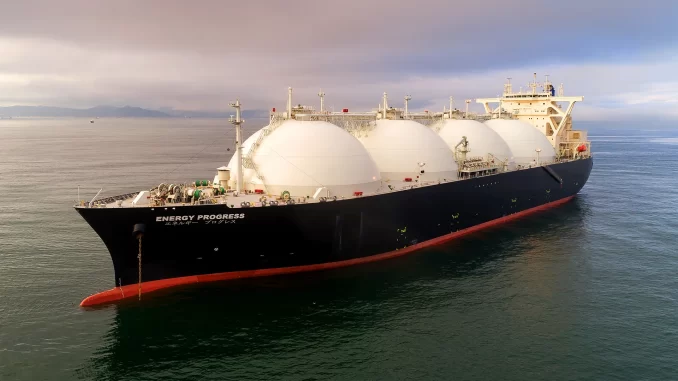
A long-predicted glut in global markets for liquefied natural gas (LNG) is beginning to bite, with some of the world’s biggest consumers declaring they have more of the methane-based fuel than they know what to do with.
The news carries potentially punishing implications for federal and provincial governments in Canada that still say they’re determined to LNG increase exports.
In October, Pakistan asked Qatar, the world’s third-biggest LNG exporter, to find other customers for 24 cargoes for which it had already signed contracts for 2026. “The move comes in response to plummeting domestic gas demand, mounting financial strain, and growing pressure on the country’s gas transmission network,” The News International reported. It was permissible under the terms of the two countries’ long-term supply deal.
Pakistan currently imports nine LNG cargoes per month, The News said, under “take or pay” contracts that require reimbursement whether or not the gas is used. “Due to a sharp decline in demand, Pakistan is facing an annual surplus of 35 LNG cargoes,” the news story stated. In response, the country has shut down some of its own domestic gas fields, but “this solution carries its own dangers. Officials of exploration and production companies warn that some wells may suffer permanent damage after closure, and the shutdowns are already affecting the production of crude oil and liquefied petroleum gas (LPG).”
Then in late November, LNG cargo trackers at Kpler GmbH, a Vienna-based analytics firm, said seaborne shipments to China were “set to drop for a 13th straight month on an annual basis, extending a slump in purchases as domestic output and piped imports remain strong,” Bloomberg wrote. Deliveries were expected to be 5.5 per cent lower than the same month last year.
“China’s LNG demand has been soft this year, with buyers shying away from expensive seaborne cargoes of the super-chilled fuel in favour of cheaper piped gas from Russia and Central Asia. Domestic production has also been robust,” the news agency added. The “sluggish demand” from the world’s biggest LNG importer is fuelling concerns that a long-awaited global LNG glut is on the way, with several countries about to bring new projects online.
Analyses dating back years have shown renewable energy investment and deployment in China leading toward a global “Age of Electricity”. And now, utility technology specialist Gavin Mooney sees a variant on that trend shaping up elsewhere.
“Surging solar in Pakistan has led to domestic gas demand plummeting, and LNG imports are now being redirected elsewhere,” Mooney wrote on LinkedIn.
“Pakistan has imported around 45 gigawatts of solar panels in the last few years—almost equal to the total capacity of its grid. Solar’s share of generation is now similar to countries like Australia and Chile,” he added. “The result? Significantly lower gas demand. Gas demand in both power and industry has fallen sharply—in some areas by 40 to 70 per cent. And this isn’t unique to Pakistan. The same pattern is emerging across Asia, the Middle East, Africa, and Europe as solar outpaces LNG everywhere.”
The news from overseas appears not to have deterred Canadian politicians touting new LNG terminals as major “nation-building” projects. In June, Energy and Natural Resources Minister Tim Hodgson insisted Canada could deliver a first cargo of LNG to Germany in “as little as five years”, despite projections that European gas demand is set to fall. [Maybe he can settle it all on a Zoom call?—Ed.] And last week, a report commissioned by the British Columbia government concluded that the pursuit of new LNG projects “threatens to set back progress” in reducing greenhouse emissions, in a province that is expected to fall short of its 2030 climate target.
Be the first to comment