The World’s New Push for Electrification: 35% by 2035
November 26, 2026 | Opinion
Canada’s electrification rate, using IEA methodology, is 23%, but it hasn’t risen for 40 years and probably won’t, given current policies
About 80 countries backed a pledge at COP31 to raise electricity’s share of global final energy consumption to 35 per cent by 2035. The International Energy Agency estimates that carrying out commitments from current supporters could push that share from 23 per cent to more than 33 per cent.
How Close Could the Pledge Get to 35 Per Cent?
The IEA estimates that reaching the 35 per cent goal could cut global emissions by at least eight gigatonnes even with a slow shift to cleaner power generation. A faster transition in the power sector could yield larger reductions. At COP31 in Antalya, IEA Executive Director Fatih Birol led discussions on electrification and energy security. The agency also released an assessment of electrification in Southeast Asia, where exposure to fossil fuel market disruptions is a growing concern.
| 2025 level | 23% | |
|---|---|---|
| 2035 with current pledge supporters | 33% | |
| 2035 global pledge target | 35% |
Clean Cooking in Africa
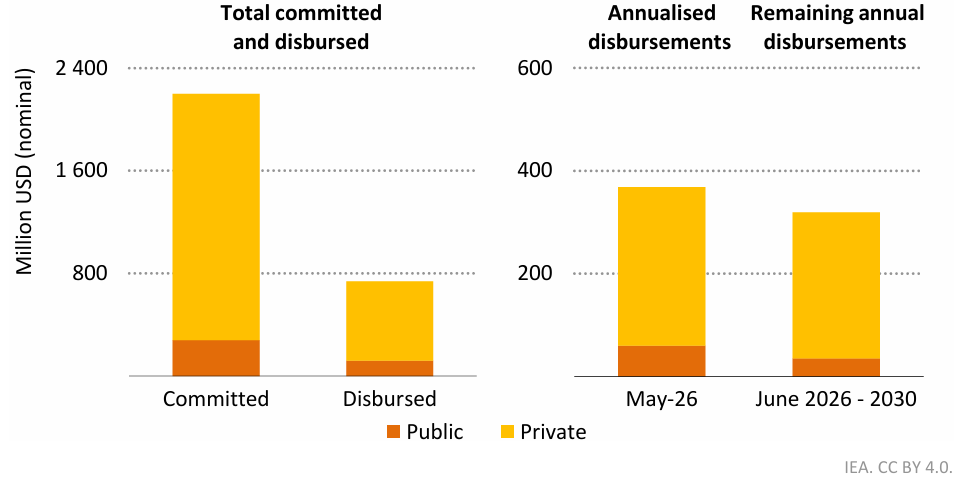
The IEA and Tanzania highlighted the health and energy-access costs of relying on polluting fuels for cooking, particularly for women and children. The agency reported mobilizing US$900 million in commitments since its May 2024 clean cooking summit. Its progress report tracks how much of the financing pledged at the 2024 summit has been disbursed. The next summit is scheduled for Jan. 27–28, 2027, in Nairobi.
Buildings, Waste and Sustainable Fuels
The IEA estimates that waste prevention, material efficiency, recycling and energy recovery could together cut annual greenhouse gas emissions by more than 1.5 gigatonnes of CO₂ equivalent by 2035. Its buildings analysis finds that reducing building energy intensity by at least 25 per cent by 2035 is achievable with measures such as more efficient equipment and wider use of heat pumps.
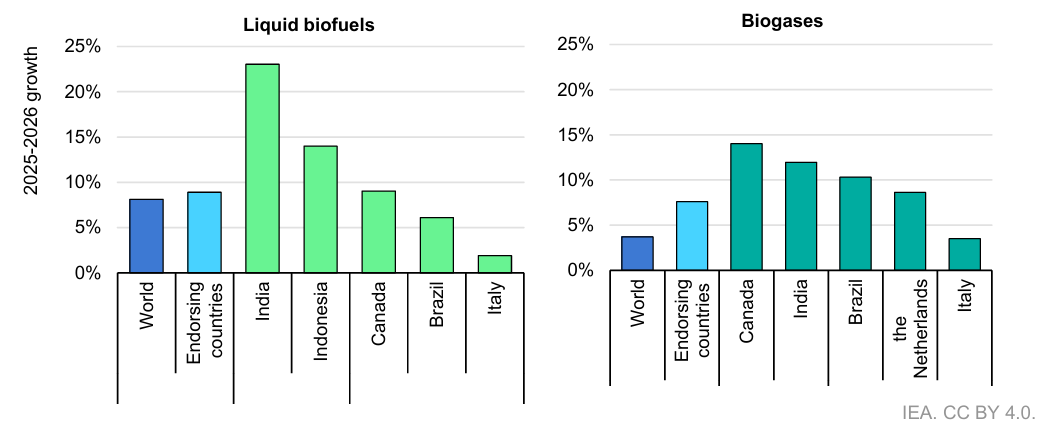
The agency is tracking delivery of the COP28 goals to triple renewables capacity and double the rate of energy efficiency improvements by 2030. It also assessed progress on the Belém pledge to quadruple sustainable fuel use by 2035. The IEA forecasts that global demand for liquid biofuels will grow by eight per cent from 2025 to the end of 2026, while biogas production will expand by about four per cent.
What the Energy Shock Means for Emerging Economies
The World Energy Outlook 2026 finds that developing economies in Africa and Asia Pacific have been particularly exposed to the disruption of fossil fuel imports through the Strait of Hormuz. Demand for transport, cooling and appliances is also growing across those regions and Latin America. The outlook examines how renewables, energy efficiency and electrification could meet that demand while improving energy security. The IEA discusses the findings in its Everything Energy podcast.
Related Videos From Energi Media
The Global Oil Shock Complicates Everything for Canada
Electrifying Industry Is Canada’s Next Big Economic Opportunity
Based on the November 2026 edition of the International Energy Agency’s Clean Energy Transitions newsletter.