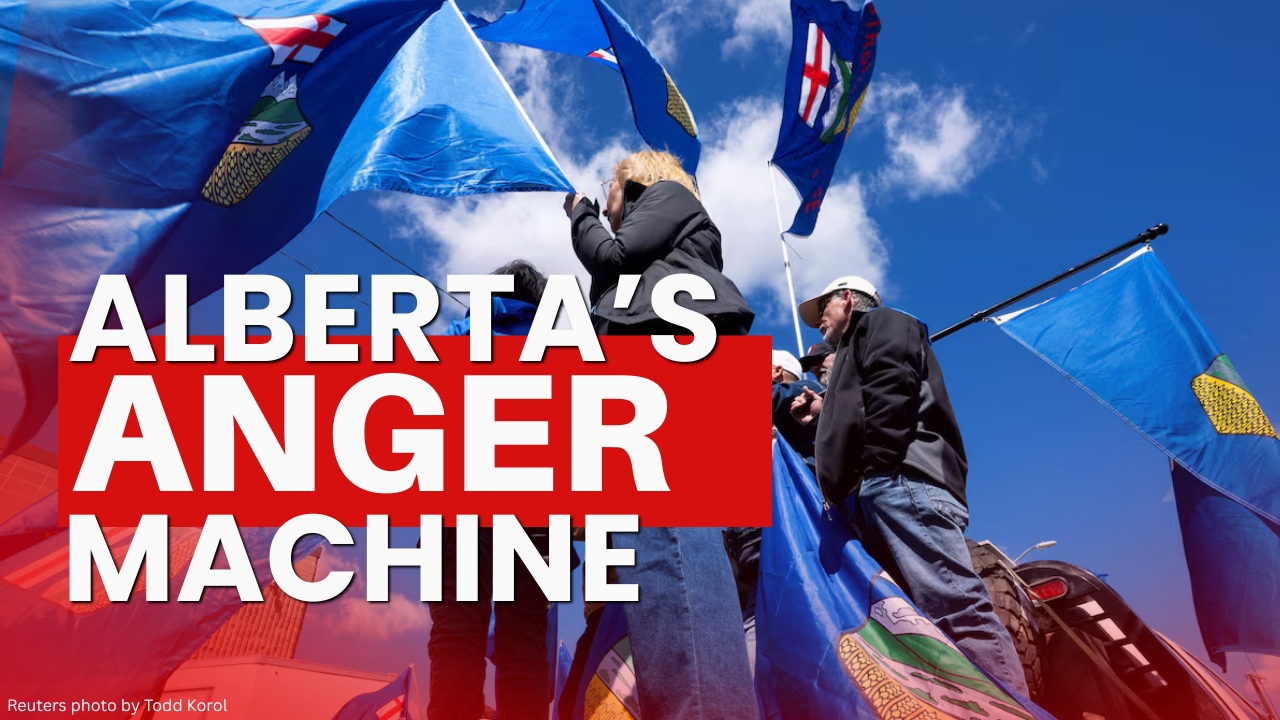
Who’s driving the Alberta rage machine? The same activists behind COVID-19 opposition
July 31, 2026 | Politics
The goal is to create a society that is deeply conservative, Christian nationalist, authoritarian libertarian, […]
The goal is to create a society that is deeply conservative, Christian nationalist, authoritarian libertarian, […]

Artificial intelligence is accelerating a major change in the relationship between Silicon Valley and the […]
National Observer columnist says politicians, media are reinforcing victimhood while failing to test economic assumptions […]
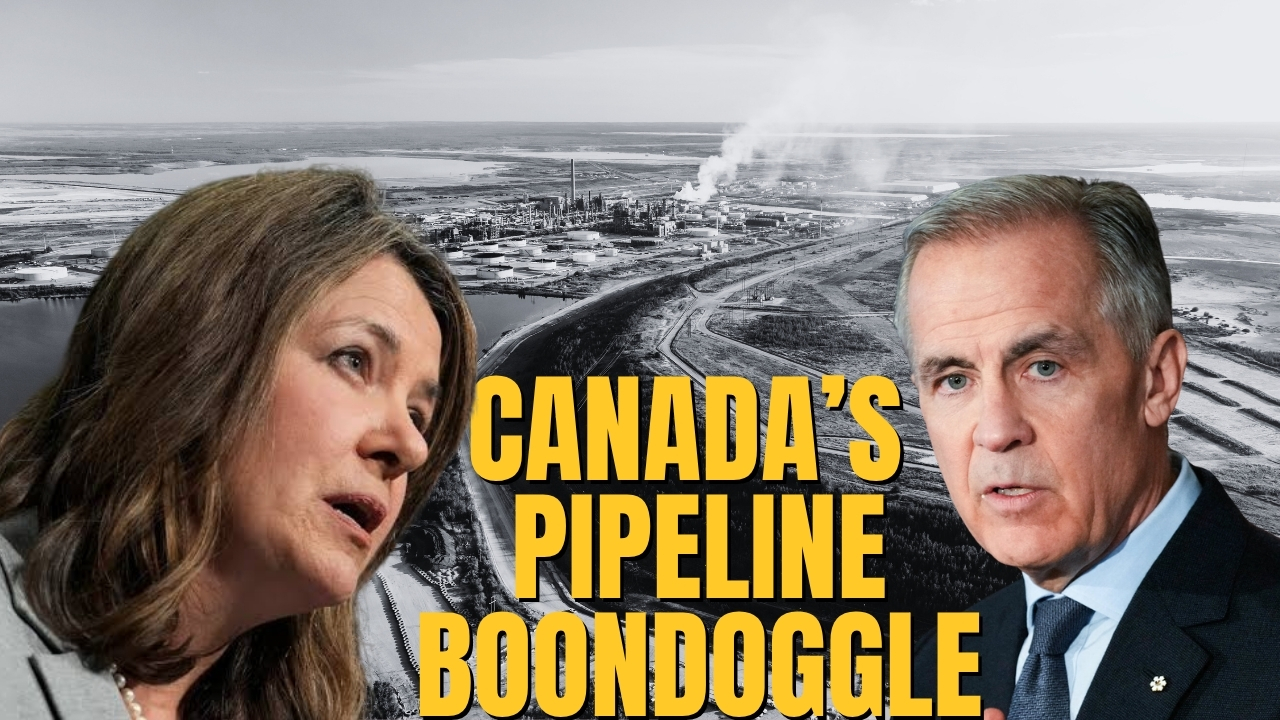
Future Asian demand, high oil-sands costs and growing taxpayer exposure require much closer scrutiny Eric […]
Canadian industrial policy should “de-risk” new, innovative technologies, not give handouts to corporate welfare bums […]
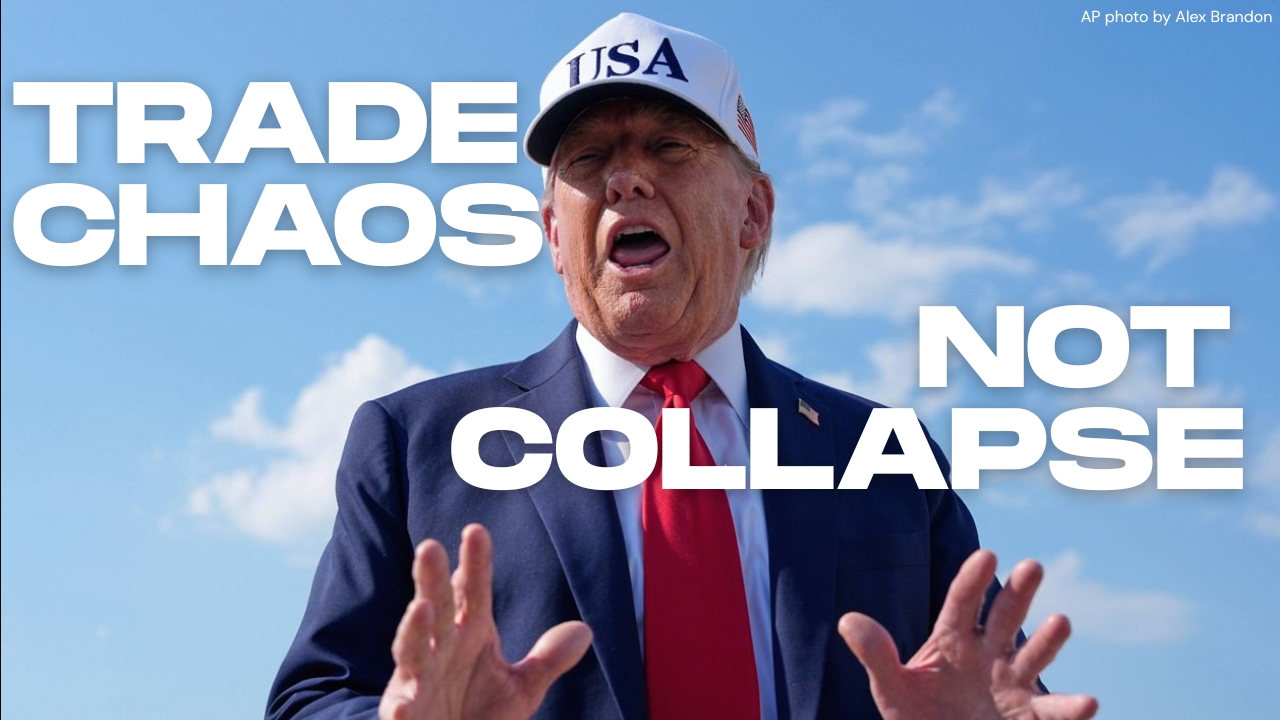
Canada’s biggest problem isn’t that Donald Trump refused to renew CUSMA—it’s that he transformed North American trade into a permanent source of political leverage. By replacing long-term certainty with recurring uncertainty, Washington has exposed Canada’s deep economic dependence on the U.S. and forced Ottawa to confront a difficult question: how do you build resilience when your largest trading partner prefers unpredictability?
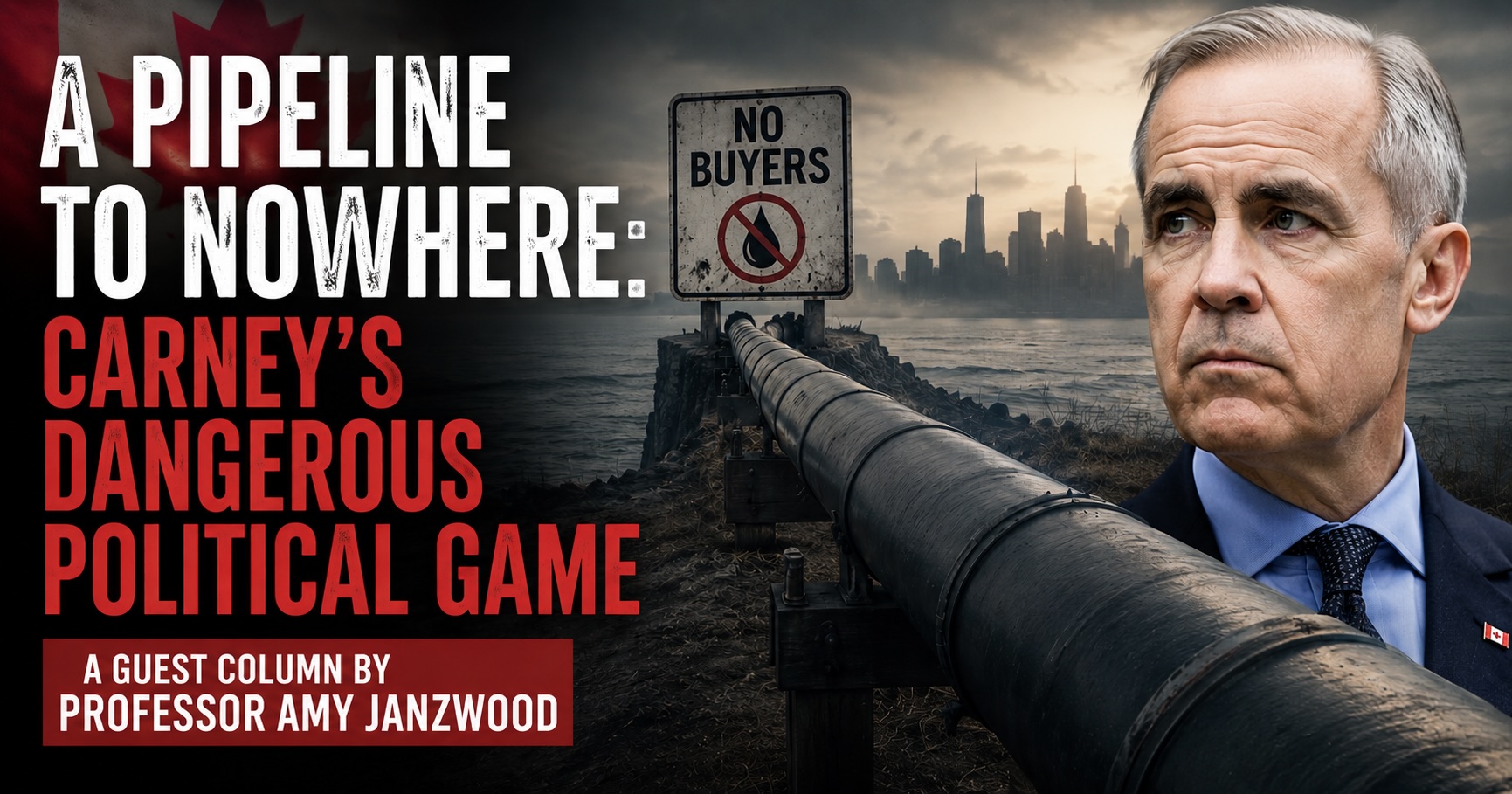
Prime Minister Mark Carney has pitched the West Coast pipeline as a nation-building project. Professor Amy Janzwood argues it is something else entirely: a high-stakes political gamble that shifts enormous financial risk onto taxpayers while betting that global demand for Alberta bitumen will remain strong well into the 2030s. Before Canadians commit tens of billions of dollars, she argues, Ottawa must present a credible business case.