Ontario Greens propose wealth tax to fund electrification
October 28, 2026 | Electrification, Ontario, News
Mike Schreiner calls for a one-time levy on extreme wealth: 5% over $100 million, 10% over $1 billion
Ontario Greens are calling for a wealth tax to help finance electrification and public services, Mike Schreiner told Energi Media in an interview focused on affordability and the province’s economic future.
Schreiner described the proposal as a five per cent levy for people with wealth above $100 million and 10 per cent for those above $1 billion. He said Ontario needs investment in health care, education, affordable housing and tariff relief while also preparing its economy to compete in growing markets for electric technologies.
The interview did not specify projected revenue, how assets would be valued or whether the proposed rates would apply to total wealth or only amounts above the thresholds.
“The super rich should pay their fair share to help us move our economy into the 21st century,” Schreiner said.
He framed the proposal as a response to fiscal pressure and widening insecurity among younger residents. Schreiner cited a provincial deficit of $13 billion and argued that concerns about rent, home ownership and the cost of starting a family require a different approach to public investment.
 Electrification and manufacturing
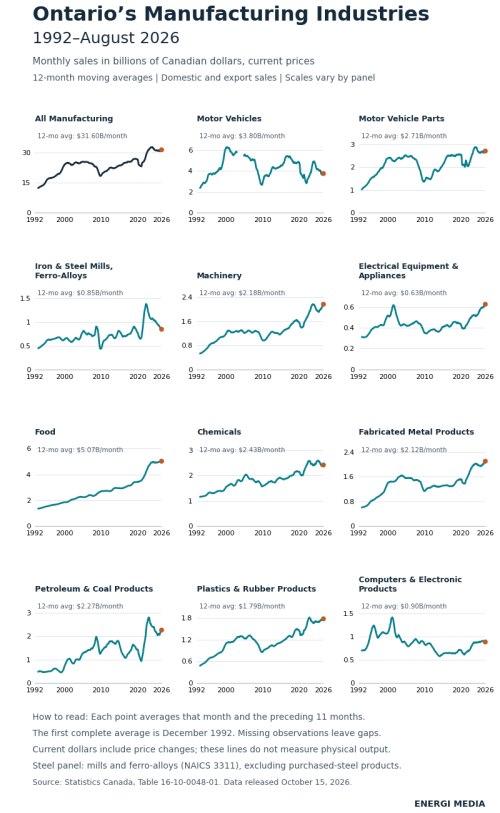
Schreiner said Ontario should diversify its economy and trading relationships as manufacturers face pressure from American tariffs. He argued the province could attract investment by expanding renewable electricity and battery storage while using Ontario manufacturing capacity to supply those projects.
He presented electrification as an industrial strategy that could connect local production with lower energy bills and more durable employment. Solar, wind and storage featured in his argument for directing investment towards the energy transition.
The discussion also covered household heating and the province’s support for gas infrastructure. Schreiner criticized the Ford government’s intervention following an Ontario Energy Board decision on gas connections, arguing that government policy was favouring gas industry interests over consumer affordability.
Supporting buyers of electric vehicles
Schreiner distinguished his support for public investment in electric vehicle manufacturing from his criticism of provincial policies affecting buyers.
He said Ontario has an opportunity to build a supply chain connecting mining with vehicle and battery production. He supported government efforts to establish manufacturing capacity, but argued those investments need a stronger market for the products being made.
Charging infrastructure and purchase incentives were central to his criticism. Schreiner said the removal of rebates and insufficient charging support had weakened Ontario’s ability to encourage electric vehicle adoption. He pointed to British Columbia and Quebec as jurisdictions that had done more to support buyers.
He argued that weak local demand was contributing to companies pulling back on investment commitments. The interview did not establish the relative importance of that factor alongside other pressures on the industry.
Asked what message he would deliver to Premier Doug Ford, Schreiner returned to the connection between revenue and economic development. He said a wealth tax could provide money for electrification, public services and homes that residents can afford.
Schreiner said he hoped the premier would respond to the Greens’ demands in the fall economic statement. The interview ended before that statement was released, leaving the government’s response to the proposal unresolved.